Roya Montgomery

I design for the gap between
model trustworthiness and user trust

claude

For

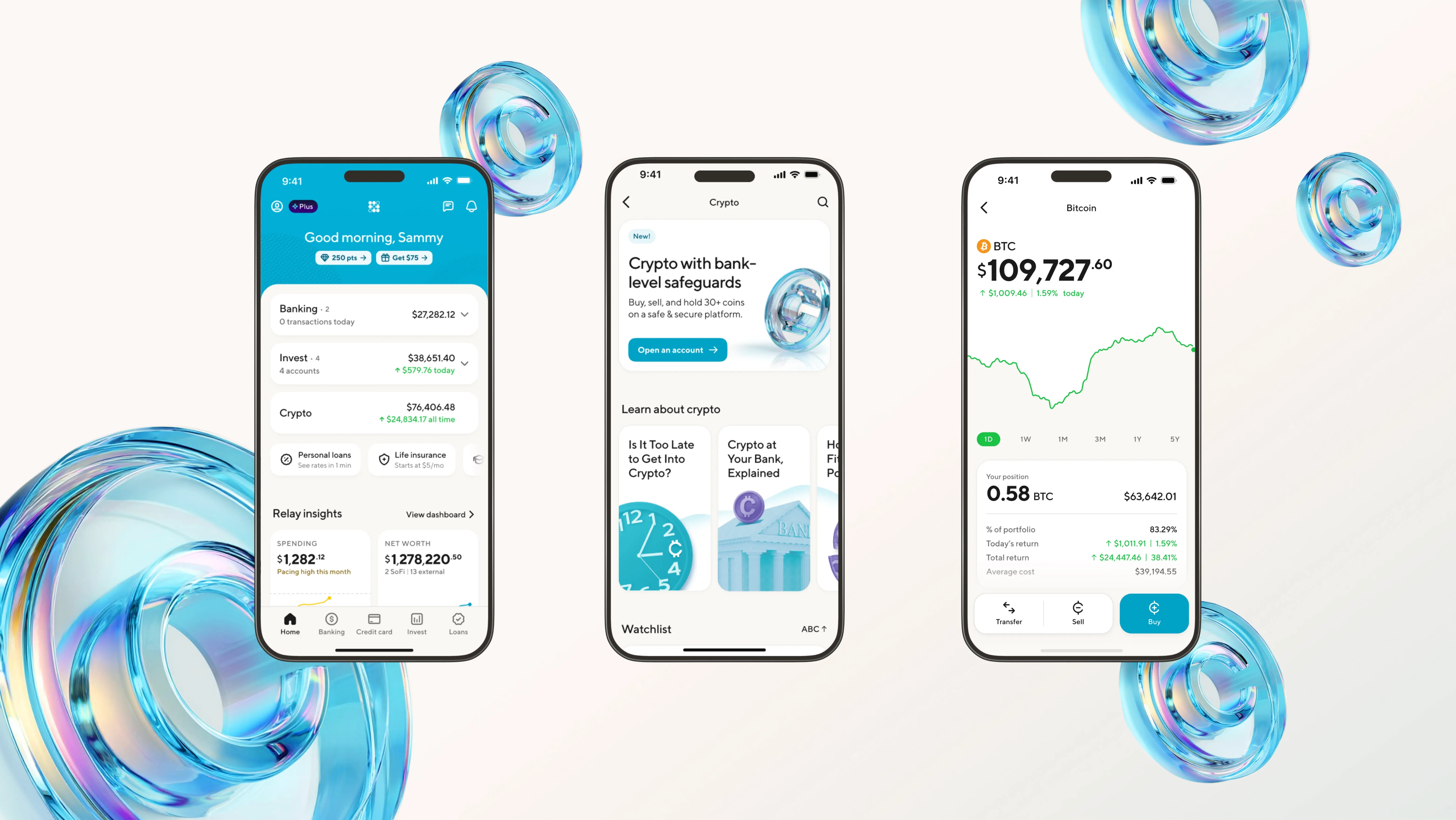
I've spent the last decade designing products in fintech, healthcare, and consumer tech. I currently lead design for AI products at SoFi, where a wrong answer at the wrong moment can cost someone real money. It's shaped how I think about trust: it isn't earned by making the interface feel confident, it's earned by making the system honest about what it knows. Most of that work lives in the small decisions, type weight, hedging copy, where a verify affordance sits, when the UI should branch instead of commit.

I prototype in code, usually with Claude, and I write at Slow Signal. It's where I slow down on the AI design questions that deserve actual thinking, not takes.

Google, JPMorgan Chase, SoFi, Cooper Hewitt, MoMA, Nest, IDEO, BBC

How I build

Three design principles that shape how I approach AI products, from first prototype to production.

Making trust track capability is not an abstract principle. It shows up in timing, typography, and copy, and it requires the same detail attention as any other craft surface.

How much will I save this month?
You're on track to save $400 this month. Keep it up.
Model confidence0.82
Before
How much will I save this month?
On Thursday you were tracking toward $400. Last 3 days aren't reflected, and weekend spending typically shifts this by $80 to $140.
Range$260to$320was $400
Data sourceChecking, Thu 11:02am
Refresh with latest transactions
Calibration ruleprojection.ts
score = 0.82 // above nominal threshold
freshness = 0.31 // below recency floor
trust = score * freshness = 0.25
// below trust threshold
convertToRange()
surfaceSource()
offerRefresh()
After calibration

Stale point estimate Range with data provenance